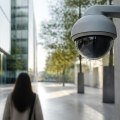
In an age where security concerns are paramount, the need for reliable surveillance systems has never been more critical. In an age where security concerns are paramount, the need for reliable surveillance systems has never been more critical. Evaluating security requirementsEvaluating security requirements for remote surveillance systems is a vital step in ensuring that your property, assets, and loved ones are protected from potential threats. As technology continues to evolve, so too do the capabilities of surveillance systems, making it essential for consumers and businesses alike to understand what they truly need. Whether you're a homeowner looking to safeguard your residence or a business owner aiming to protect your assets, knowing how to assess your unique security requirements can be daunting. With a plethora of options available in the market, how do you determine which features are necessary for your specific situation? What factors should you consider when choosing a remote surveillance system that not only meets your needs but also aligns with your budget?In this article, we will delve into the intricacies of evaluating security requirements tailored specifically for remote surveillance systems.
We will explore the critical aspects you must consider, from understanding potential vulnerabilities to identifying the best technologies suited for your environment. By the end of this guide, you will be equipped with the knowledge to make informed decisions about selecting a surveillance system that effectively safeguards what matters most to you. In today's fast-paced world, the need for effective security solutions has never been more critical. With the rise of remote surveillance systems, property owners now have the ability to monitor their homes and businesses from virtually anywhere. However, before making a selection, it is essential to evaluate security requirements thoroughly.
This evaluation process helps identify specific needs and concerns that will guide you in choosing the right surveillance system. The first step in understanding your security requirements involves familiarizing yourself with the various types of cameras available. There are several options to consider, including indoor and outdoor cameras, as well as wired and wireless systems. Indoor cameras are typically used to monitor activity inside a property, while outdoor cameras are designed to withstand various weather conditions and provide coverage of external areas. Wired systems often offer more stability and reliability, while wireless options provide flexibility in placement and installation. Another critical aspect is the video resolution.
High-definition footage can make a significant difference when it comes to identifying individuals or details in recorded videos. For example, a business may require high-resolution footage to ensure that any intruder can be clearly identified, which can be invaluable for law enforcement purposes. In contrast, lower resolution may suffice for monitoring general activity in less critical areas. Night vision capabilities also play an essential role in the effectiveness of a surveillance system. Many incidents occur during nighttime hours, so having cameras equipped with infrared technology allows for monitoring in low-light conditions.
This feature is crucial for areas that may be particularly vulnerable after dark, such as parking lots or back entrances. Storage options are another consideration when evaluating your security requirements. Surveillance footage needs to be stored securely for future reference, whether for monitoring purposes or as evidence in case of a theft. Various storage solutions exist, including cloud storage and local hard drives. Cloud storage offers remote access and automatic backups, while local storage may provide faster access but requires physical maintenance. Each of these features—camera type, video resolution, night vision, and storage—relates directly to different security concerns.
For example, if theft prevention is a primary concern, investing in high-resolution outdoor cameras with night vision may be necessary for adequately monitoring vulnerable areas like entrances or loading docks. As your security needs evolve over time, scalability and flexibility become paramount in choosing a surveillance system. A system that can grow with your changing requirements ensures that you won't have to invest in an entirely new setup as your security needs expand. Look for systems that allow you to add additional cameras or integrate with other security measures over time. When comparing different products, user reviews can provide valuable insights into how well a product performs in real-world situations. Consider warranty options and customer support services as well; these factors can significantly influence your overall satisfaction with a surveillance system. While discussing surveillance systems, it's essential to acknowledge potential legal and privacy considerations. , it's essential to acknowledge potential legal and privacy considerations.
Different regions have varying laws regarding recording in public spaces or residential areas. Familiarizing yourself with these regulations can help avoid legal issues down the line. Additionally, it's crucial to consider privacy expectations; responsible usage of surveillance systems can mitigate concerns about being overly intrusive. Some readers may have objections regarding privacy infringements related to surveillance systems. However, it is vital to emphasize that responsible usage can enhance security without compromising privacy.
By clearly communicating the purpose of installation to those being monitored and adhering to local laws, property owners can strike a balance between maintaining safety and respecting personal privacy. In conclusion, evaluating security requirements for remote surveillance systems is a crucial step in selecting an effective solution tailored to your specific needs. By considering camera types, video resolution, night vision capabilities, storage options, scalability, user reviews, legal considerations, and privacy concerns, you can make informed decisions that enhance security while respecting individual rights.
Understanding Your Security Needs
When it comes to evaluating security requirements, the first step is to thoroughly assess your specific security needs. This process begins by considering your location. Are you in a high-crime area or a relatively safe neighborhood? Understanding the crime statistics and trends in your area can help you determine the level of security required for your property. Next, consider your property type.A single-family home may have different security needs compared to an apartment or commercial building. For instance, residential properties may benefit from outdoor cameras, while businesses might require more comprehensive systems with multiple entry point monitoring. Additionally, think about the layout of your property; areas that are hidden from view or poorly lit may need extra attention. Finally, reflect on your personal concerns. What are your biggest fears regarding security? Do you worry about theft, vandalism, or safety during emergencies? Identifying these concerns can guide you in selecting features that address your specific worries, such as motion detection, alarm systems, or remote access capabilities. By carefully evaluating these factors—location, property type, and personal concerns—you can develop a clearer understanding of your security needs and make informed decisions when choosing a remote surveillance system that suits your lifestyle and enhances your peace of mind.
Enhancing Existing Systems
As technology evolves, it is essential to enhance existing surveillance systems to ensure they meet contemporary security demands.One effective way to improve your current setup is by incorporating advanced cameras with higher resolutions and night vision capabilities. This enhancement allows for clearer images and better visibility in low-light conditions, which can be crucial for identifying intruders or monitoring activity during the night. Additionally, integrating smart technology can significantly elevate the functionality of your surveillance system. Features such as motion detection alerts, cloud storage options, and remote access via mobile applications provide users with real-time monitoring capabilities. By leveraging these technologies, you can stay informed about any unusual activity around your property, no matter where you are. Another suggestion is to incorporate audio monitoring alongside your video surveillance.
This feature not only helps in capturing sound but also acts as a deterrent against potential intruders who might think twice if they know that audio recording is present. Furthermore, consider adding smart lighting systems that can be integrated with your surveillance cameras. These lights can automatically illuminate when motion is detected, which not only enhances visibility but also discourages unauthorized access. Lastly, regular updates and maintenance of your existing system are crucial. Ensure that your firmware and software are up-to-date to protect against vulnerabilities. By enhancing your current surveillance setup with these features, you can create a more robust security framework that effectively safeguards your home or business.
Legal and Privacy Considerations
When evaluating security requirements for remote surveillance systems, it is essential to consider the legal and privacy implications of using such technology.The use of surveillance cameras and monitoring systems is governed by various laws that can differ significantly from one jurisdiction to another. Understanding these regulations is crucial to ensure compliance and protect both the users and those being monitored. In many regions, laws dictate where surveillance cameras can be placed and how the footage can be used. For instance, it is generally illegal to record audio without consent in several jurisdictions, which means that users must be aware of the limitations surrounding audio surveillance. Additionally, placing cameras in areas where individuals have a reasonable expectation of privacy, such as bathrooms or changing rooms, can lead to legal repercussions. Beyond legal compliance, ethical considerations also play a vital role in the decision-making process.
Users must reflect on how their surveillance practices might impact the privacy of others. It is important to communicate openly with employees, family members, or anyone who may be monitored about the presence of surveillance systems. This transparency can foster trust and mitigate concerns about invasion of privacy. Furthermore, organizations must have clear policies in place regarding data retention and access to surveillance footage. Establishing guidelines on how long footage will be stored and who has access to it can help protect against misuse and ensure that individuals’ privacy rights are respected. In summary, when evaluating security requirements for a remote surveillance system, understanding the legal landscape and ethical considerations is paramount.
By doing so, users can select a system that not only meets their security needs but also respects the rights of those being monitored.
Comparing Surveillance Systems
When it comes to selecting a remote surveillance system, comparing different products is essential to ensure that you choose one that meets your specific needs. Here are some tips to effectively compare various surveillance systems:1.Identify Your Requirements: Before diving into comparisons, make a list of your security requirements. Consider factors such as the size of the area you want to monitor, the level of detail needed in video quality, and whether you need features like night vision or motion detection.2.Research Different Brands:
Familiarize yourself with the leading brands in the surveillance market. Look for customer reviews and expert opinions to gauge the reliability and performance of different products.3.Compare Features:
Create a comparison chart that outlines the features of each system you are considering.Key features to compare include video resolution, storage options, remote access capabilities, and ease of installation.
4.Evaluate Pricing:
While it’s important to stay within your budget, consider the long-term value of each system. Sometimes, a higher upfront cost can lead to better performance and lower maintenance costs in the future.5.Check Compatibility:
Ensure that the surveillance system you choose is compatible with other security devices you may already have, such as alarm systems or smart home devices.6.Assess Customer Support:
A good surveillance system should come with reliable customer support. Look for brands that offer comprehensive warranties and easily accessible customer service.7.Read Real User Experiences:
Take time to read reviews from actual users to understand how well the system performs in real-world situations. Pay attention to comments about installation ease, functionality, and customer service experiences.Key Features to Look For
When evaluating security requirements for remote surveillance systems, it is essential to consider several key features that can significantly impact your monitoring effectiveness.Understanding these features will help you make an informed decision based on your specific needs. One of the primary factors to consider is the type of camera. There are various options available, including dome cameras, bullet cameras, and PTZ (pan-tilt-zoom) cameras. Each type serves different purposes and environments. For instance, dome cameras are often less obtrusive and suitable for indoor use, while bullet cameras are more effective for outdoor settings due to their longer range and durability. Next, the resolution of the cameras is crucial.
Higher resolution translates to clearer images and better identification of individuals or objects. Look for systems that offer at least 1080p resolution to ensure you capture detailed footage. Additionally, consider features like night vision and low-light performance, which can greatly enhance the effectiveness of surveillance in varying lighting conditions. Storage is another vital aspect of remote surveillance systems. You will need to determine how you want to store video footage—whether through cloud storage or local storage options such as DVRs (Digital Video Recorders) or NVRs (Network Video Recorders).
Evaluate the storage capacity and retention period to ensure you have enough space for your surveillance needs. Some systems may also offer customizable storage solutions that allow you to manage footage more efficiently. Lastly, don’t overlook the importance of remote access. Many modern surveillance systems allow users to view live feeds and recorded footage from mobile devices or computers, providing flexibility and convenience. Ensure that the system you choose supports secure remote access, allowing you to monitor your property from anywhere at any time. By paying attention to these essential features—camera types, resolution, storage options, and remote access—you can better evaluate your security requirements and select a remote surveillance system that meets your unique needs. In conclusion, evaluating your security requirements is an essential step in the process of selecting a remote surveillance system.
As discussed, understanding your specific needs enables you to identify the right features that will provide optimal protection for your home or business. Key considerations such as legal and privacy implications, along with a thorough comparison of different surveillance systems, can significantly impact your choice. By taking the time to assess these elements, you empower yourself to make informed decisions that align with your unique situation. We encourage you to reflect on the insights shared in this article and take actionable steps towards evaluating your own security needs. This proactive approach will ensure that your investment in a surveillance system effectively enhances your overall safety and peace of mind.