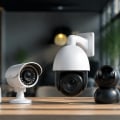
In an age where security concerns are at an all-time high, the question What is remote surveillance? has become increasingly relevant for homeowners and business owners alike. The rise of technology has transformed traditional security methods, allowing for a more comprehensive approach to monitoring and safeguarding our properties. Remote surveillance is not just a trend; it's a vital tool in the arsenal of modern security solutions. Imagine being able to monitor your home or office from anywhere in the world, receiving real-time alerts, and having access to live video feeds—all from the convenience of your smartphone or computer. This level of control and peace of mind is what remote surveillance offers.
With advancements in camera technology, cloud storage, and connectivity, the landscape of security has evolved dramatically. In this article, we will delve deep into the world of remote surveillance, exploring its components, benefits, and how it can be effectively implemented to enhance security measures. Whether you're a tech-savvy individual looking to upgrade your existing system or someone new to the concept of surveillance technology, understanding remote surveillance is crucial in today's fast-paced environment. Join us as we embark on this exploration of remote surveillance—a modern approach that promises not only safety but also the flexibility and convenience that modern technology affords us. Your journey to understanding the nuances of this essential security solution starts here.
Remote surveillance
refers to the use of technology to monitor properties from a distance, enabling homeowners and business owners to keep a vigilant eye on their surroundings without being physically present. With advancements in technology, various types of systems have emerged, making it easier than ever to implement effective security measures.These systems typically include cameras, alarms, and smart home integration, each offering unique features designed to enhance safety and security. One of the primary benefits of remote surveillance is the increased peace of mind it provides. Knowing that you can monitor your property in real-time allows homeowners and business owners to feel more secure, even when they are away. In addition, having visible surveillance systems can act as a strong it provides. Knowing that you can monitor your property in real-time allows homeowners and business owners to feel more secure, even when they are away. In addition, having visible surveillance systems can act as a strong crime deterrent. Potential intruders are less likely to target properties that display clear signs of surveillance, knowing they are being watched. There is a diverse array of products available on the market that cater to different security needs.
For instance, some of the top-rated surveillance cameras offer high-definition video quality, night vision capabilities, and motion detection features. When considering which system to purchase, it's essential to compare options based on critical factors such as video quality, storage options, and mobile accessibility. Many modern surveillance systems allow users to access live feeds directly from their smartphones, providing unparalleled convenience and control. Common security concerns often revolve around theft, vandalism, and unauthorized access to properties. Remote surveillance can significantly alleviate these worries by providing a constant stream of information about what is happening on your property.
For instance, if a motion sensor detects unusual activity, users can receive instant alerts on their devices, allowing for prompt responses. Moreover, recorded footage can serve as valuable evidence in case of criminal activities. Setting up an effective surveillance system requires careful planning and consideration. One of the most critical aspects is the placement of cameras. Ideally, cameras should be positioned at entry points such as doors and windows, as well as areas with high foot traffic.
Additionally, integrating your surveillance system with other security measures, such as alarm systems or smart locks, can create a more comprehensive security network that enhances overall safety. It is also vital to be aware of legal and privacy considerations when implementing surveillance in residential or commercial spaces. Different jurisdictions have varying laws regarding video and audio recording, especially concerning the monitoring of public areas versus private spaces. Users should familiarize themselves with local regulations to ensure compliance and avoid potential legal issues. Furthermore, clear communication with neighbors about surveillance practices can help maintain good relationships while ensuring everyone’s privacy rights are respected. In summary, remote surveillance technology has transformed the way we approach security for our homes and businesses.
By understanding the different types of systems available, recognizing their benefits, and implementing them thoughtfully while considering legal implications, individuals can significantly enhance their safety and security in an increasingly uncertain world.
Benefits of Remote Monitoring
Remote surveillance technology offers numerous advantages that cater to the security needs of both homeowners and business owners. One of the primary benefits is the ability to monitor your property in real-time, regardless of your location. With a simple internet connection, users can access live feeds from their security cameras through smartphones, tablets, or computers. Another significant advantage is the enhanced peace of mind that comes with knowing your property is being watched 24/7.This constant vigilance can deter potential intruders and help you respond quickly in case of any suspicious activity. Moreover, remote monitoring systems often come with advanced features such as motion detection, alerts, and cloud storage for recorded footage. These features allow users to receive notifications on their devices when unusual activity is detected, ensuring they remain informed even when they are away from home or the office. Additionally, the integration of artificial intelligence (AI) and machine learning into surveillance technology enhances its effectiveness.These systems can learn from patterns and distinguish between normal activity and potential threats, reducing false alarms and increasing reliability. Finally, remote monitoring solutions can be more cost-effective than traditional security systems. Many services offer scalable options that allow users to choose a plan that fits their specific needs without incurring unnecessary expenses. This flexibility makes it easier for individuals and businesses to implement robust security measures without breaking the bank.
Choosing the Right Surveillance System
When it comes to selecting a surveillance system, it is essential to consider various factors to ensure that the system meets your specific needs. One of the first steps is to assess your security requirements.Are you looking to monitor a large commercial property or a smaller residential area? Understanding the size and layout of the area will help determine the number and type of cameras needed. Next, evaluate the features that are important to you. For instance, do you require high-definition video quality for clear images? Is night vision capability a priority for monitoring in low-light conditions? Additionally, consider if you need features like motion detection, two-way audio, or remote access capabilities through mobile devices. Another critical aspect is deciding between a wired or wireless system. Wired systems often provide more reliable connectivity, while wireless systems offer easier installation and flexibility in camera placement. Think about your comfort level with technology and installation processes when making this choice. Lastly, factor in your budget.
Surveillance systems come in a wide range of prices, so it’s important to find a balance between quality and affordability. Research different brands and models, read reviews, and seek recommendations to ensure you invest in a system that will provide the security you need. By taking these considerations into account, you can select a surveillance system that not only meets your immediate needs but also adapts as your security requirements evolve over time.
Types of Remote Surveillance Systems
When considering remote surveillance, it is essential to understand the different types of systems available. These systems can be broadly categorized into wired and wireless options, each offering unique advantages and disadvantages.Wired surveillance systems
typically involve the installation of cables to connect the cameras to a central recording device. This setup often provides a more stable and reliable connection, making it less susceptible to interference.Wired systems are ideal for permanent installations where the layout of the property allows for easy cable management. However, installation can be labor-intensive and may require professional assistance. On the other hand, wireless surveillance systems use Wi-Fi or cellular networks to transmit video footage and data. These systems are generally easier to install, as they eliminate the need for extensive wiring. Homeowners and business owners can place cameras in various locations without being restricted by cable lengths.
Wireless options are particularly advantageous for renters or those who frequently relocate. However, they may be more vulnerable to signal interference and require a stable internet connection for optimal performance. In addition to wired and wireless categories, there are also various types of cameras available within these systems, including dome cameras, bullet cameras, and PTZ (pan-tilt-zoom) cameras. Each type serves different purposes and offers varying features tailored to specific security needs. As you explore your options for remote surveillance, consider your unique security requirements, property layout, and whether a wired or wireless system would best suit your needs.
Setting Up Your Surveillance System
Setting up a remote surveillance system is crucial for ensuring the safety of your home or business. With the right approach, you can create an effective security network that allows you to monitor your property from anywhere.Choose the Right Equipment
: Begin by selecting the appropriate surveillance cameras and equipment.Consider factors such as resolution, night vision capabilities, and weather resistance for outdoor cameras. Additionally, look for features like motion detection and cloud storage options to enhance your system's functionality.
Determine Camera Placement
: Strategically positioning your cameras is key to maximizing their effectiveness. Identify vulnerable areas around your property, such as entry points and driveways, and ensure that these locations are covered by your cameras. Remember to also consider angles that minimize blind spots.Install Properly
: Follow the manufacturer's instructions for installation to avoid any technical issues.Make sure to securely mount the cameras and check that they are at the correct angle for optimal viewing. If using wired cameras, ensure that cables are hidden and protected from tampering.
Configure Settings
: After installation, take time to configure your camera settings. This includes adjusting resolution, frame rates, and motion sensitivity. Setting up alerts and notifications can also help you stay informed about any unusual activity.Test Your System
: Once everything is set up, conduct thorough tests to ensure that all cameras are functioning correctly.Check the live feed and recorded footage to confirm that your coverage is effective. Make adjustments as necessary before relying on the system for security. By following these practical tips and best practices for installation and configuration, you can enhance the effectiveness of your remote surveillance system and gain peace of mind knowing that your property is being monitored securely.
Legal and Privacy Considerations
When implementing remote surveillance systems, it is crucial for both homeowners and business owners to understand the legal and privacy implications associated with these technologies. Surveillance laws can vary significantly depending on your location, making it essential to be informed about local regulations. One of the primary legal considerations is the expectation of privacy. In many jurisdictions, individuals have a reasonable expectation of privacy in certain areas, such as their homes or private spaces.Installing cameras in public areas may be permissible, but placing them in areas where individuals expect privacy, such as bathrooms or bedrooms, can lead to serious legal repercussions. Additionally, it is important to consider consent. In some regions, obtaining consent from individuals before recording them is necessary. This might include notifying employees if surveillance cameras are installed in the workplace or informing guests about monitoring systems in residential settings. Another aspect to consider is data protection. Surveillance systems often collect and store video footage, which can contain sensitive information.
Compliance with data protection laws, such as the General Data Protection Regulation (GDPR) in Europe, is vital to ensure that this data is handled responsibly and securely. Lastly, it is advisable to have a clear surveillance policy. This document should outline how surveillance data will be used, who has access to it, and how long it will be retained. A well-defined policy not only helps in compliance but also builds trust among employees and visitors. In summary, understanding the legal and privacy considerations of remote surveillance technology is essential for ensuring that your security measures are both effective and compliant with the law. Taking these steps can help protect your interests while respecting the rights of others.
Enhancing Your Existing Surveillance System
As technology continues to evolve, enhancing your existing surveillance system has become more achievable and beneficial.There are several strategies that homeowners and business owners can implement to upgrade their surveillance systems for better performance and increased security. Firstly, consider integrating high-definition cameras. Upgrading to HD or 4K resolution cameras can significantly improve image clarity, allowing for better identification of individuals and events. This enhancement is especially crucial in low-light conditions, where advanced night vision technology can provide clear footage. Secondly, implementing a robust cloud storage solution ensures that your surveillance footage is securely stored and easily accessible. Cloud storage not only provides a backup in case of hardware failure but also allows for remote access to your video feeds from anywhere in the world, enhancing your ability to monitor your property. Additionally, optimizing your camera placement can greatly impact the effectiveness of your surveillance system.
Ensure that cameras cover critical areas such as entrances and windows, while avoiding obstructions that could hinder their view. It’s also wise to regularly review camera angles and adjust them as necessary to ensure optimal coverage. Another key aspect is updating the firmware of your surveillance devices. Manufacturers frequently release updates that enhance functionality, fix bugs, or improve security features. Regularly checking for and installing these updates can help protect against vulnerabilities. Finally, consider integrating smart technology into your system.
Devices such as motion sensors, alarms, and smart locks can work in conjunction with your surveillance system, providing a comprehensive security solution that alerts you to potential threats in real-time. By taking these steps to enhance your existing surveillance system, you can ensure that you are making the most of your investment while providing peace of mind for yourself and your loved ones or business assets. In conclusion, remote surveillance has emerged as a vital component of modern security strategies for both homes and businesses. As we've discussed, understanding the different types of remote surveillance systems and their associated benefits can empower property owners to make informed decisions that enhance their security. The ability to monitor properties from anywhere at any time has revolutionized how we think about safety, making it crucial for individuals to assess their own security needs. Investing in a suitable surveillance system is not just a wise choice; it's an essential step in safeguarding your assets and ensuring peace of mind. Whether you are considering a basic setup or looking to enhance an existing system, understanding the legal and privacy considerations is equally important.
Therefore, take the time to evaluate your specific requirements and explore the options available to you in the realm of remote monitoring.